Partir en vacances en voiture électrique n’a plus grand-chose à voir avec ce que l’on imaginait il y a encore quelques années. Les autonomies ont progressé, les bornes sont plus nombreuses, les applications sont plus fiables, et les conducteurs ont désormais plus de recul sur les longs trajets.

Pourtant, la question revient toujours au moment de préparer les vacances : est-ce vraiment simple de partir loin en voiture électrique ? Peut-on traverser la France sans passer son temps à chercher une borne ? Faut-il prévoir beaucoup plus de temps ? Et surtout, combien va coûter la recharge sur la route ?
La réponse est plutôt rassurante : oui, partir en vacances en voiture électrique en 2026 est devenu parfaitement réaliste. Mais ce n’est pas encore un trajet qu’on improvise totalement, surtout en période de grands départs.
La voiture électrique a changé, les trajets aussi
Longtemps, la voiture électrique a été perçue comme une solution idéale pour les trajets du quotidien, mais moins évidente pour les vacances. Cette image est en train de changer. Les modèles récents affichent souvent plusieurs centaines de kilomètres d’autonomie, et le réseau de recharge continue de se densifier sur les grands axes, dans les zones commerciales, près des hôtels ou à proximité des lieux de passage.
En France, le réseau public comptait 192 008 points de recharge ouverts au public fin mars 2026, selon le dernier baromètre Avere-France. Depuis le début de l’année, 6 505 nouveaux points de recharge ont été déployés sur le territoire. Cela ne veut pas dire que tout est parfait partout, mais la tendance est claire : les longs trajets deviennent de plus en plus simples à organiser.
Ce qui change surtout, c’est la manière de voyager. Avec une voiture thermique, on attend souvent d’être presque à sec pour s’arrêter. En électrique, on apprend plutôt à raisonner par étapes : on part chargé, on identifie deux ou trois arrêts possibles, et on profite des pauses pour recharger en même temps que l’on se repose.
Le vrai sujet n’est plus “est-ce possible ?”, mais “comment bien s’organiser ?”
En 2026, la question n’est plus vraiment de savoir si l’on peut partir loin en électrique. La réponse est oui. Le vrai sujet, c’est l’organisation.
Un trajet de vacances se prépare un peu différemment. Il faut regarder l’autonomie réelle de son véhicule, repérer les bornes rapides disponibles sur le parcours, prévoir une alternative en cas de station occupée, et éviter d’arriver à la borne avec 3 % de batterie.
Cela peut sembler contraignant au départ, mais en pratique, ces réflexes deviennent vite naturels. Beaucoup de conducteurs électriques finissent même par apprécier ce rythme : une pause toutes les deux ou trois heures, un café, quelques courses, un passage aux toilettes, et la voiture récupère suffisamment d’autonomie pour repartir.
L’enjeu n’est donc pas de transformer chaque conducteur en expert de la recharge. L’enjeu, c’est de rendre le trajet lisible, fluide, et suffisamment rassurant pour que la voiture électrique ne soit plus un sujet de stress au moment de partir.
Combien de temps faut-il prévoir pour recharger pendant les vacances ?
C’est souvent la première inquiétude. Personne n’a envie de passer une heure sur un parking au milieu d’un trajet.
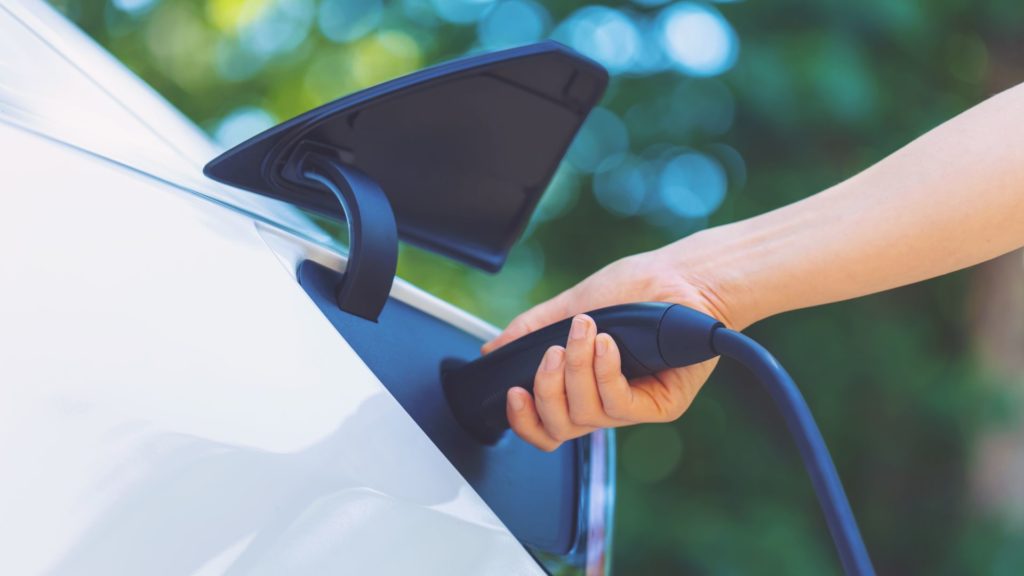
En réalité, tout dépend de trois choses : la puissance de la borne, la capacité de recharge du véhicule et le niveau de batterie au moment où l’on branche. Sur une borne lente, la recharge peut prendre plusieurs heures. Sur une borne rapide ou ultra-rapide, une pause de 20 à 30 minutes peut suffire pour récupérer une autonomie confortable.
La bonne habitude consiste à ne pas chercher à recharger systématiquement jusqu’à 100 %. Sur long trajet, la plage la plus efficace se situe souvent entre environ 20 % et 80 %. Au-delà, la vitesse de charge ralentit généralement. Mieux vaut donc faire une recharge plus courte et reprendre la route, plutôt que d’attendre inutilement les derniers pourcentages.
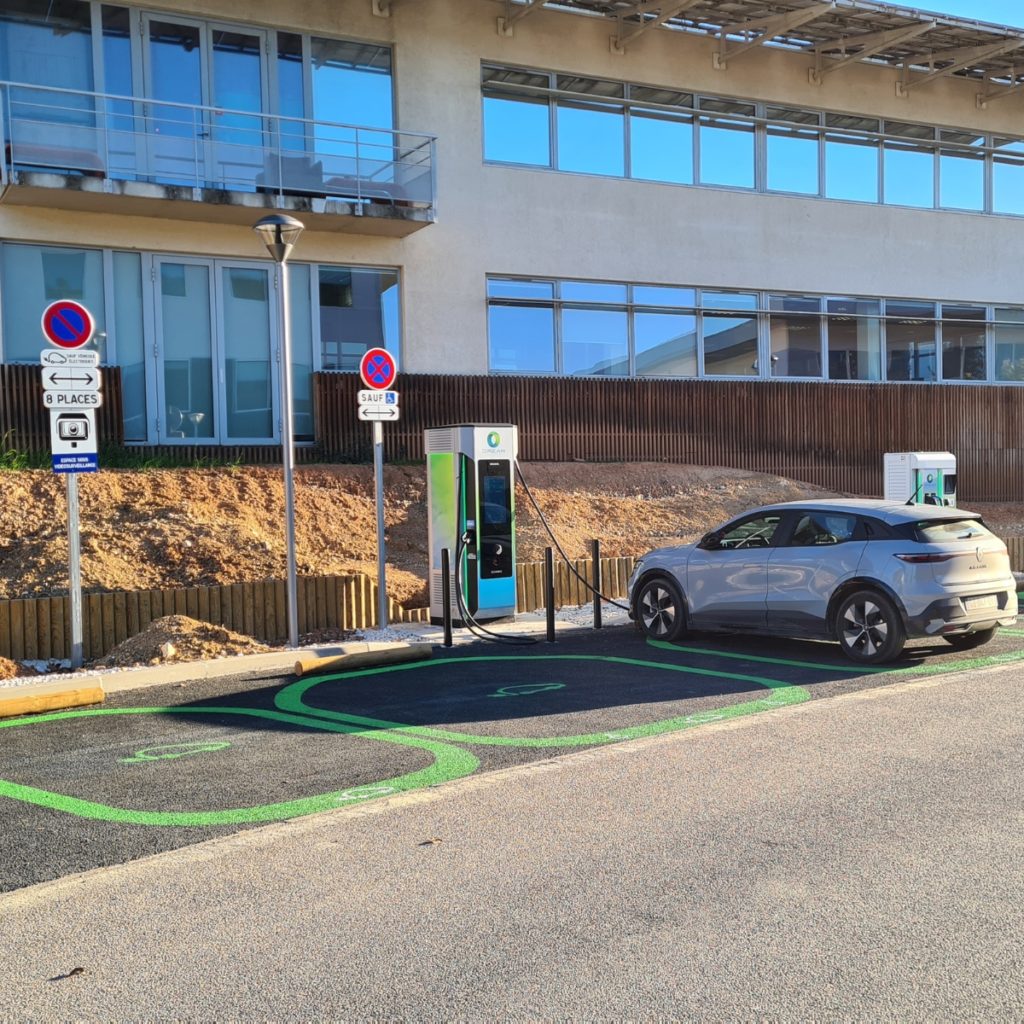
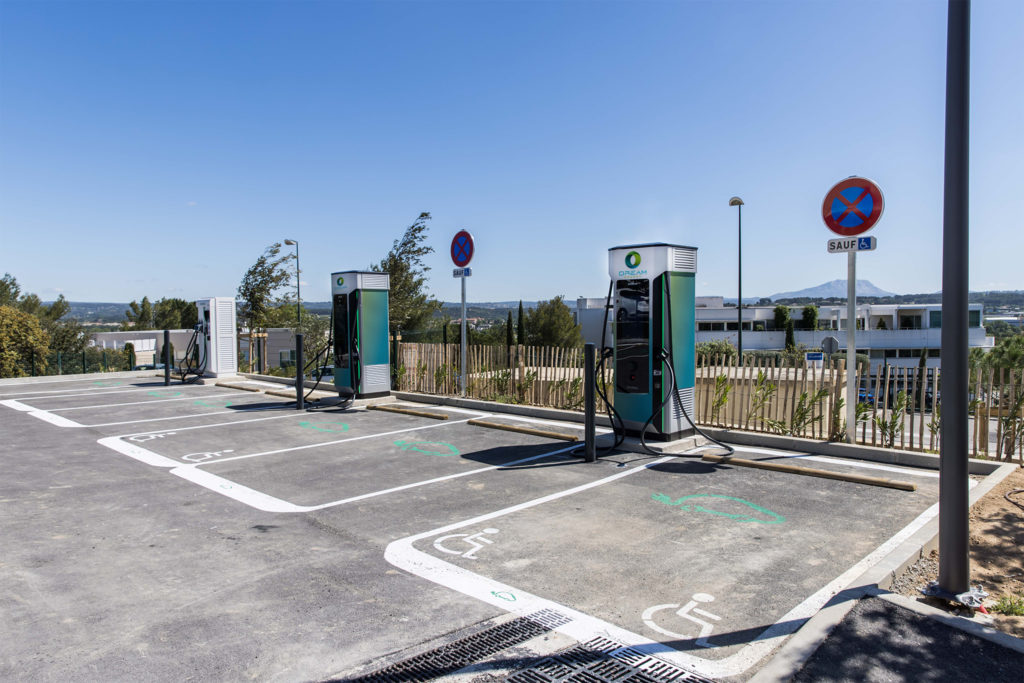
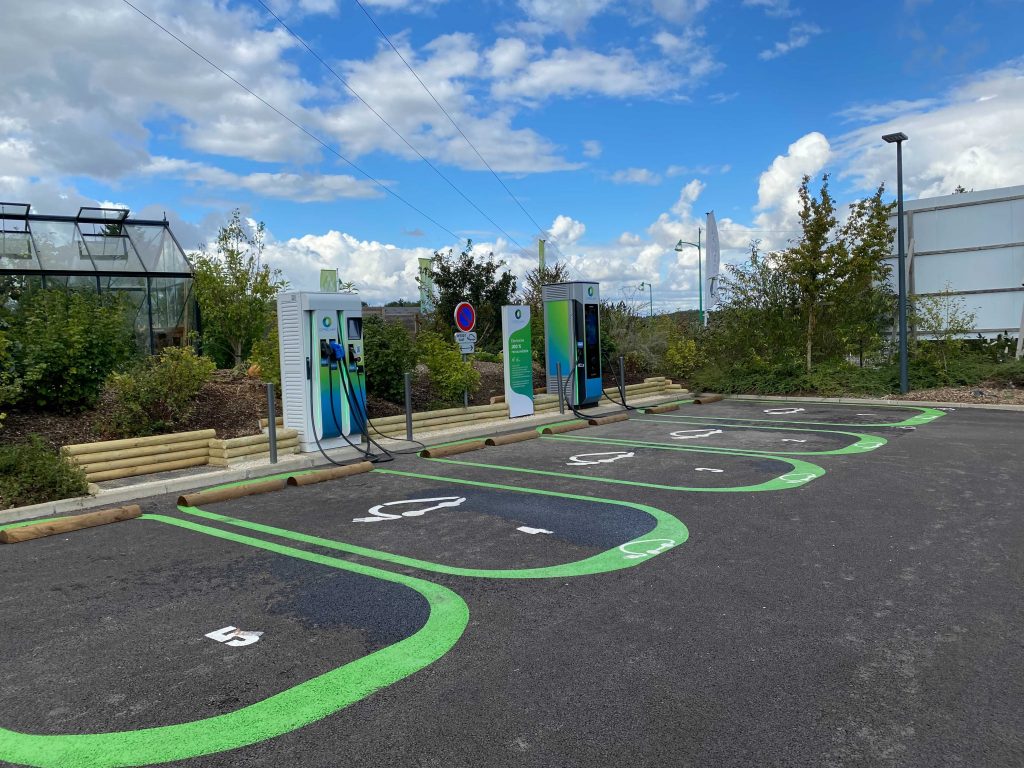
C’est aussi là que les stations installées sur des lieux utiles prennent tout leur sens. Une borne sur un parking d’hôtel, de commerce ou de zone de services permet de transformer le temps de recharge en vraie pause. On ne “perd” pas 20 minutes : on les utilise.
Le prix de la recharge : bonne ou mauvaise surprise ?
Le coût de la recharge est devenu une vraie question, surtout dans un contexte où les prix de l’énergie restent suivis de près par les ménages. En 2026, EDF indique que les prix de l’électricité au tarif réglementé sont globalement maintenus au même niveau au 1er février, avec des évolutions qui varient selon les options tarifaires et les composantes du prix.
Mais pour un trajet de vacances, il faut distinguer plusieurs situations. Recharger à domicile reste souvent la solution la plus économique. Recharger sur une borne rapide ou ultra-rapide coûte généralement plus cher, car le service inclut la puissance, l’infrastructure, l’exploitation, la maintenance et la disponibilité du réseau.
Ce prix plus élevé doit être regardé pour ce qu’il est : non pas seulement un prix du kWh, mais le prix d’un service de mobilité. Quand on recharge rapidement sur la route des vacances, on achète surtout du temps, de la disponibilité et de la tranquillité.
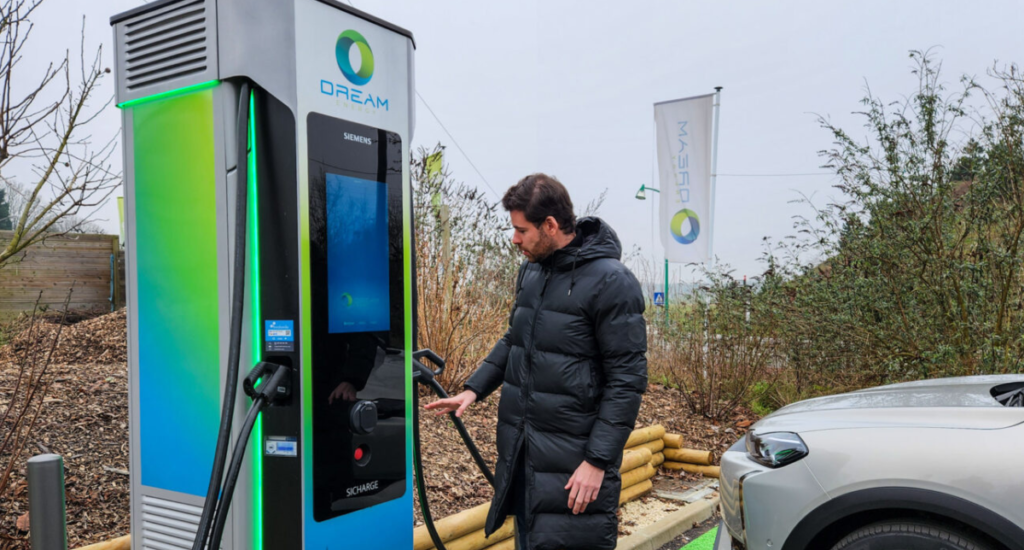
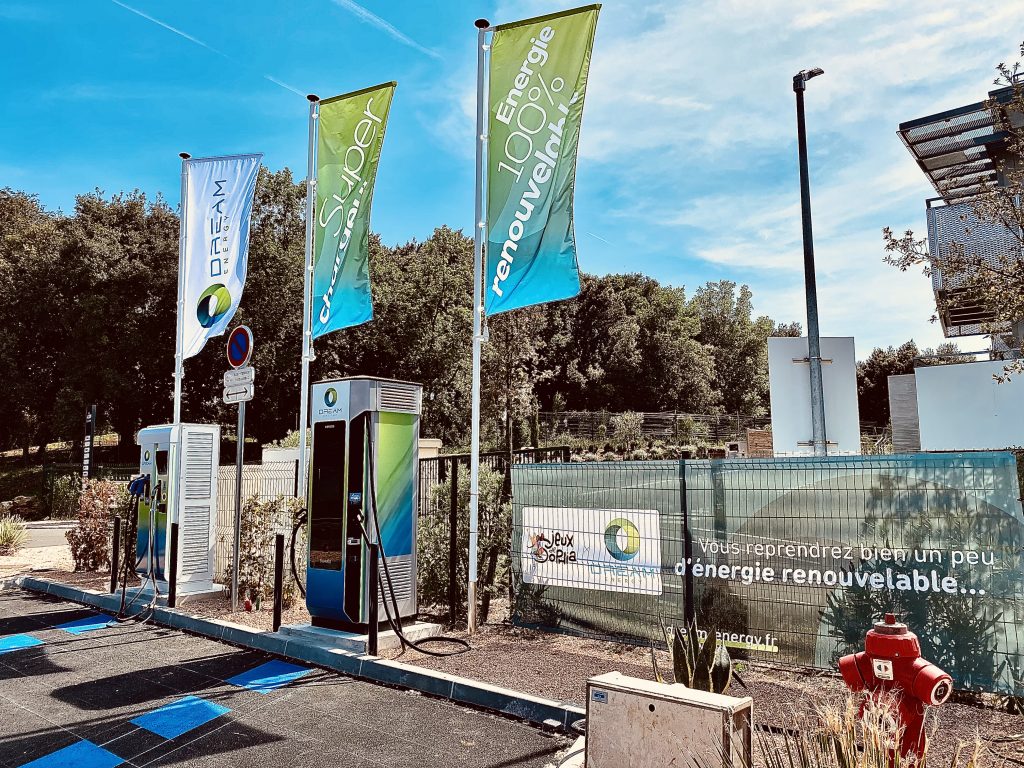
C’est pourquoi le modèle énergétique derrière la recharge devient important. Chez Dream Energy, notre approche repose sur un modèle intégré : produire de l’électricité renouvelable, la fournir, et exploiter des stations de recharge. Cette maîtrise de la chaîne permet de proposer une recharge rapide alimentée par une énergie renouvelable, avec une logique de prix durable et compétitive..
Faut-il forcément planifier tout son trajet en véhicule électrique ?
Pas forcément tout, mais il faut planifier un minimum.
Avant de partir, il est utile de regarder les grandes étapes du trajet : la distance, les zones où les bornes rapides sont nombreuses, les éventuels points de tension, et les solutions à destination. Une application de recharge ou le planificateur intégré du véhicule suffit souvent à poser une base fiable.
L’idéal est de prévoir une station principale, puis une alternative à proximité. Cela évite de subir une borne occupée, une file d’attente ou une indisponibilité temporaire. En période de vacances, cette petite marge change tout.
Il faut aussi penser à l’arrivée. Un hôtel, une résidence, un camping ou une ville bien équipée peuvent simplifier tout le séjour. Recharger pendant la nuit ou pendant une activité évite de devoir chercher une borne au dernier moment.
La meilleure stratégie reste simple : ne jamais attendre d’être trop bas, garder une solution de secours, et intégrer la recharge au rythme du voyage plutôt que de la vivre comme une contrainte.
Vous pouvez également consulter nos précédents conseils pratiques pour voyager loin en voiture électrique.
Les grands départs restent-ils un point sensible ?
Oui, il faut être honnête. Les grands départs peuvent encore créer des tensions sur certaines stations, notamment aux heures les plus fréquentées et sur les axes très chargés.
C’est le même principe que les stations-service ou les aires d’autoroute : lorsque tout le monde part au même moment, les infrastructures sont davantage sollicitées. La différence, c’est que la recharge prend plus de temps qu’un plein classique, ce qui rend l’anticipation encore plus importante.
Quelques réflexes permettent toutefois d’éviter une bonne partie du stress : partir tôt, recharger avant les heures de pointe, éviter d’arriver batterie presque vide, et ne pas viser uniquement les stations les plus évidentes. Les bornes situées sur des parkings de commerces, d’hôtels ou de zones fréquentées peuvent offrir des alternatives intéressantes, surtout lorsqu’elles sont accessibles 24h/24 et 7j/7.
Là encore, le sujet n’est pas seulement le nombre de bornes. C’est leur localisation, leur puissance, leur disponibilité et la qualité de l’expérience autour.
Et l’impact environnemental dans tout ça ?
Pour beaucoup d’automobilistes, passer à l’électrique ne répond pas seulement à une logique économique ou pratique. Il y a aussi une volonté de réduire l’impact de ses déplacements.
Une voiture électrique n’émet pas de CO₂ à l’usage, mais son intérêt environnemental dépend aussi de l’électricité utilisée pour la recharger. C’est un point souvent sous-estimé. Plus l’électricité est décarbonée ou renouvelable, plus la cohérence du modèle est forte.
C’est précisément l’un des enjeux de Dream Energy : ne pas considérer la recharge comme une simple prise de courant, mais comme un maillon d’un écosystème énergétique. Produire une électricité renouvelable, la fournir, puis l’utiliser pour alimenter des stations de recharge permet de donner plus de sens au passage à l’électrique.
Partir en vacances en voiture électrique, ce n’est donc pas seulement changer de moteur. C’est aussi s’interroger sur l’énergie que l’on utilise pour se déplacer.
Alors, peut-on vraiment partir en vacances en voiture électrique en 2026 ?
Oui. Et pour beaucoup de conducteurs, l’expérience sera même plus simple qu’ils ne l’imaginent.
Mais il faut accepter une chose : partir en électrique demande une autre façon de préparer la route. Pas forcément plus compliquée, mais plus anticipée. On ne roule pas exactement comme avec un véhicule thermique. On pense son trajet par étapes, on profite des pauses, on choisit ses bornes, et l’on garde un peu de marge.
En 2026, la voiture électrique est donc tout à fait adaptée aux vacances, à condition d’avoir les bons réflexes. Les infrastructures progressent, les usages mûrissent, et les réseaux de recharge deviennent plus visibles, plus rapides et mieux intégrés aux lieux du quotidien.
Le vrai changement, au fond, est peut-être là : la recharge n’est plus seulement un arrêt technique. Elle devient une pause dans le voyage.
Et si cette pause est rapide, fiable, bien située et alimentée par une énergie renouvelable, alors partir en vacances en voiture électrique prend tout son sens.