Voiture électrique en 2025 : bon plan ou fausse bonne idée ? Ce qu’il faut vraiment savoir avant de se lancer
L’essor de la voiture électrique ne fait plus douter grand monde : en 2025, elle est partout. Publicités, aides publiques, zones à faibles émissions… tout pousse à faire le grand saut. Mais derrière les belles promesses, une question légitime persiste : est-ce vraiment une bonne idée de passer à l’électrique aujourd’hui ?
Plutôt qu’un discours tout fait, cet article s’appuie sur les vraies questions que se posent les conducteurs, avec des données actualisées, des cas concrets et des réponses claires.
Est-ce que c’est vraiment rentable d’acheter une voiture électrique en 2025 ?
Oui, dans la plupart des cas, mais pas pour tous.
Si on regarde uniquement le prix d’achat, un véhicule électrique (VE) reste plus cher qu’un modèle thermique à équipement égal. Mais en intégrant les coûts d’usage, l’équation bascule souvent en faveur de l’électrique :
- Recharger 100 km revient entre 2,5 et 4€ (domicile), contre 8 à 10€ de carburant pour un moteur essence.
- Moins d’entretien : pas de vidange, de courroie, ou d’embrayage à changer.
- Bonus écologique 2025 maintenu (jusqu’à 4 000€), cumulable avec la prime à la conversion.
❌ Pour qui c’est moins pertinent ?
- Pour les petits rouleurs (< 10 000 km/an), le gain à l’usage est plus lent à amortir.
- Pour les conducteurs sans solution de recharge personnelle (voir plus bas).
Faut-il une borne chez soi pour rouler en électrique ?
C’est vivement recommandé, mais ce n’est pas une obligation.
Si vous vivez en maison individuelle, installer une borne murale (wallbox) est le combo gagnant : pratique, économique, sécurisé. Coût moyen en 2025 : entre 1 000 et 1 200€, avec des aides disponibles.
✅ Sans borne privée, tout dépend de votre accès :
- En logement collectif, certaines copropriétés proposent des solutions mutualisées.
- Dans certains territoires, des bornes publiques sont accessibles à moins de 500 m.
- Les employeurs équipent de plus en plus leurs parkings.
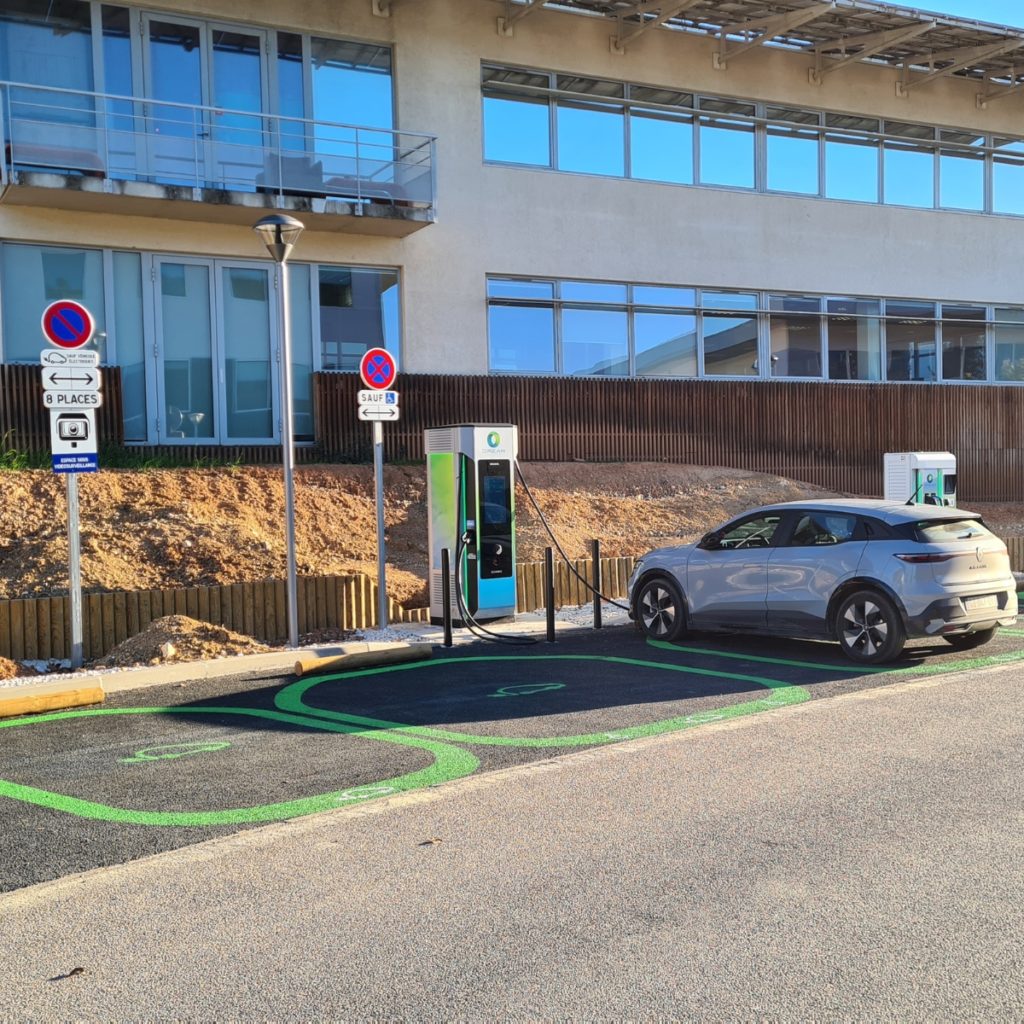
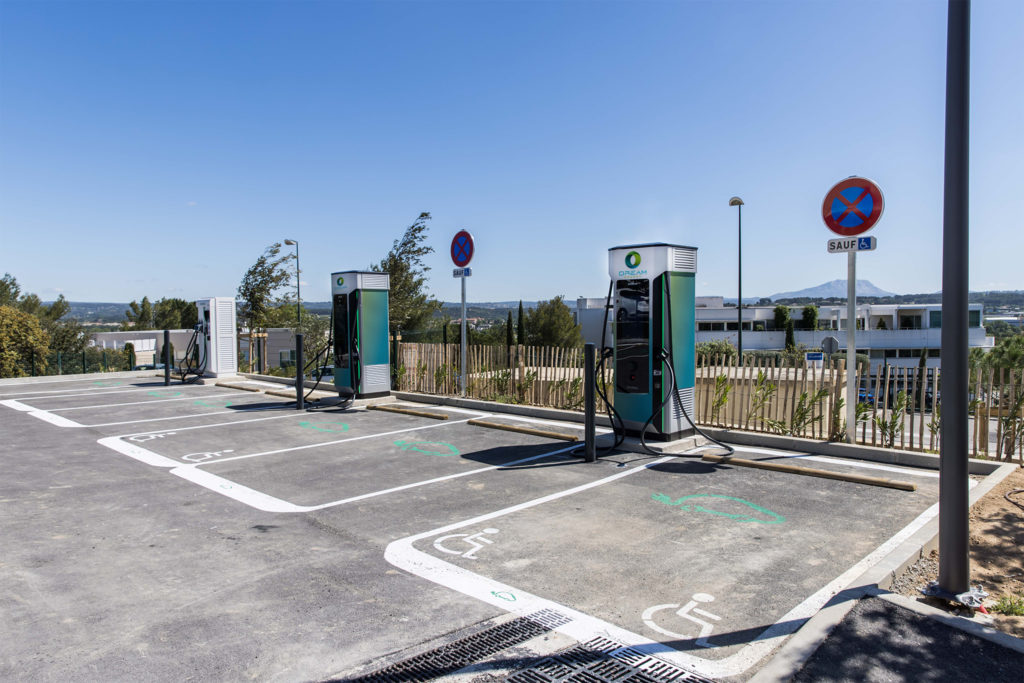
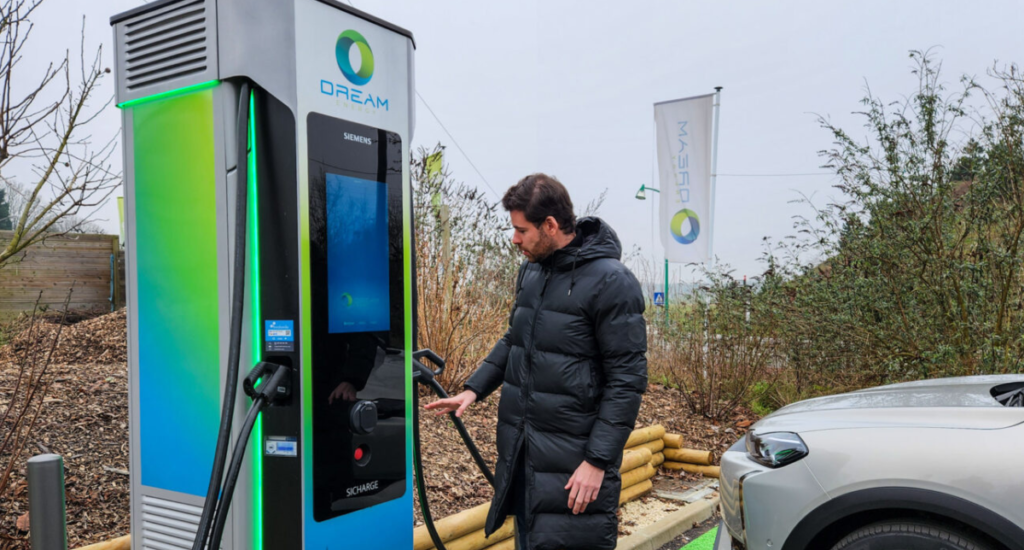
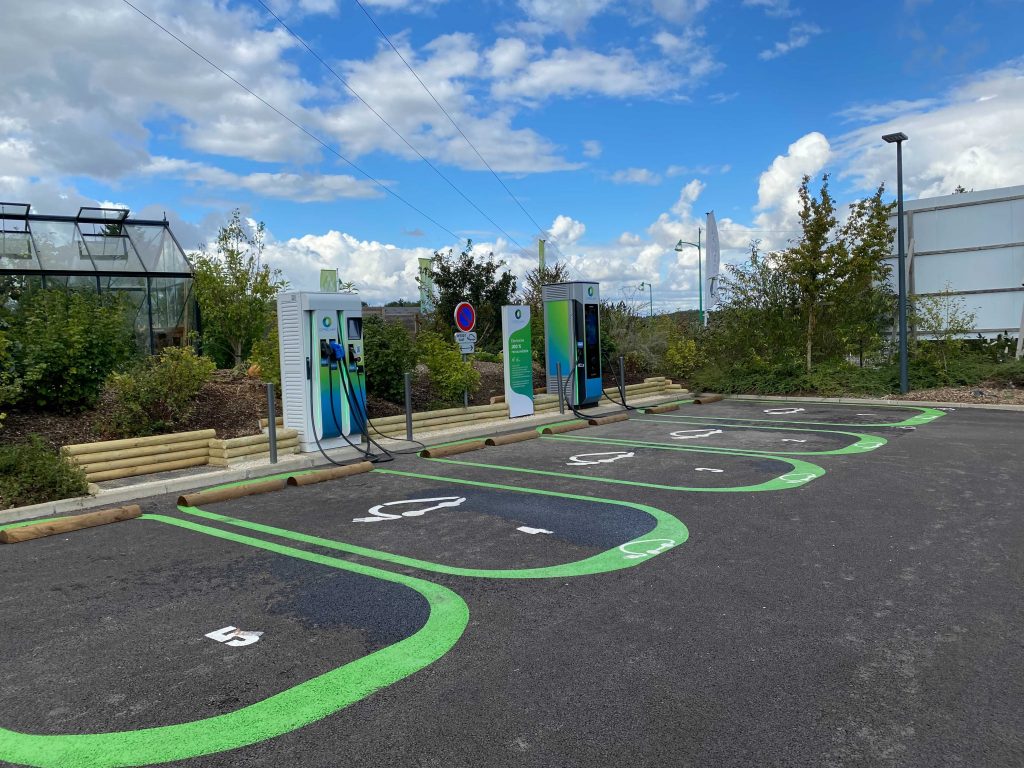
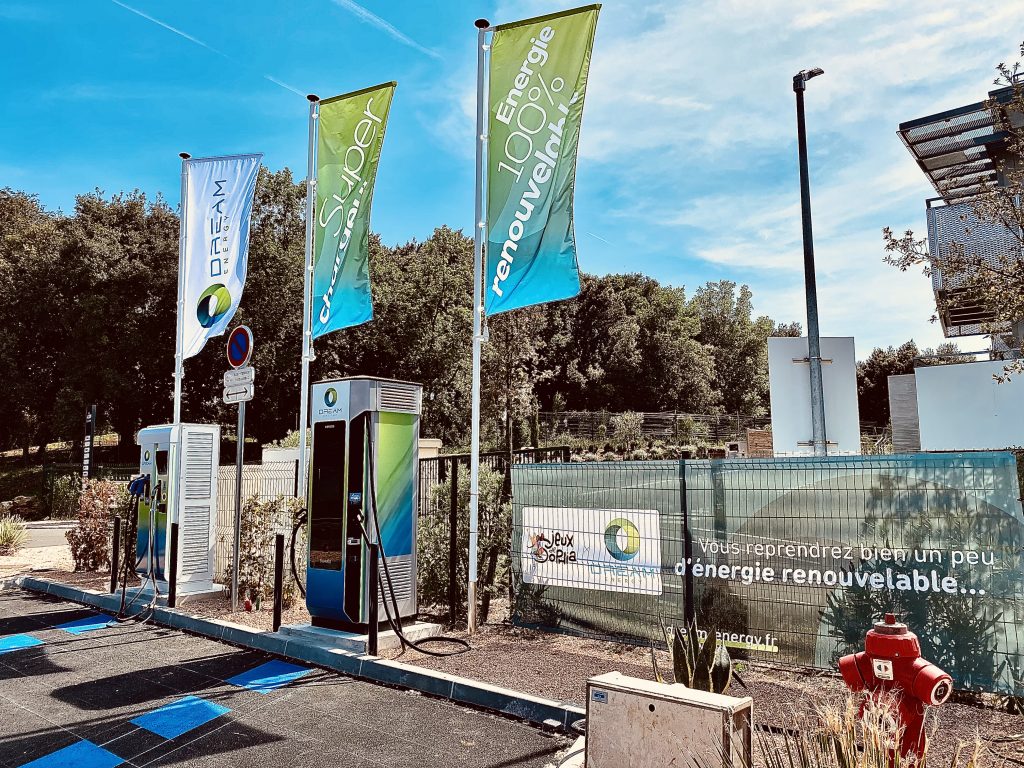
⚡ Bon à savoir : les recharges les plus rapides (jusqu’à 300 kW) sont disponibles sur les stations Dream Energy, alimentées en électricité 100 % renouvelable.
Quelle autonomie réelle peut-on espérer ?
En 2025, la plupart des VE du marché affichent entre 300 et 550 km d’autonomie annoncée.
Mais dans la réalité :
- En usage mixte (ville/route), comptez 10 à 20 % de moins.
- L’autoroute reste le point faible : forte consommation, perte rapide d’autonomie.
Bon benchmark :
- Renault Mégane E-Tech : ~420 km WLTP / ~330 km réels.
- Tesla Model Y Propulsion : ~455 km WLTP / ~380 km réels.
Temps de recharge :
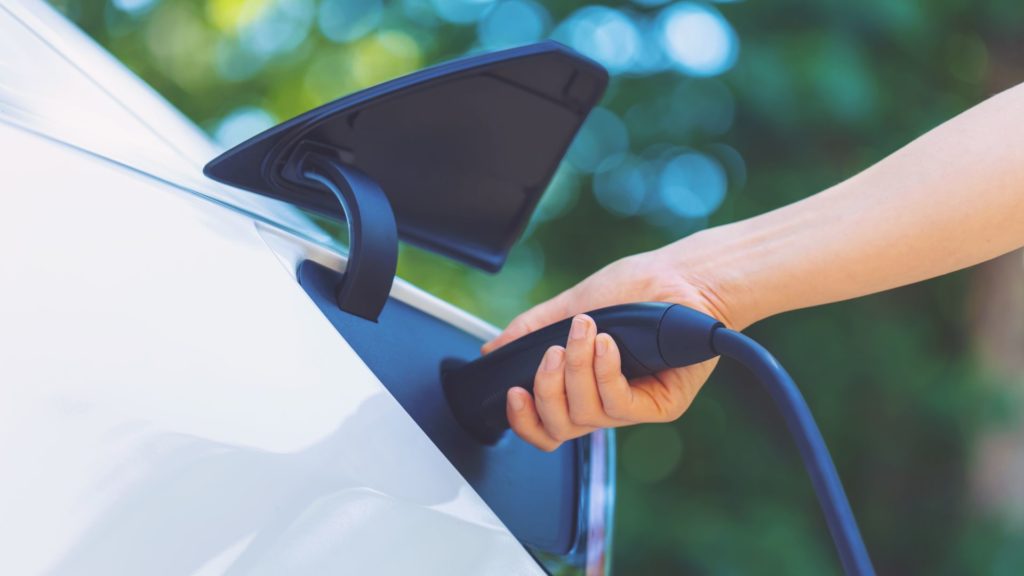
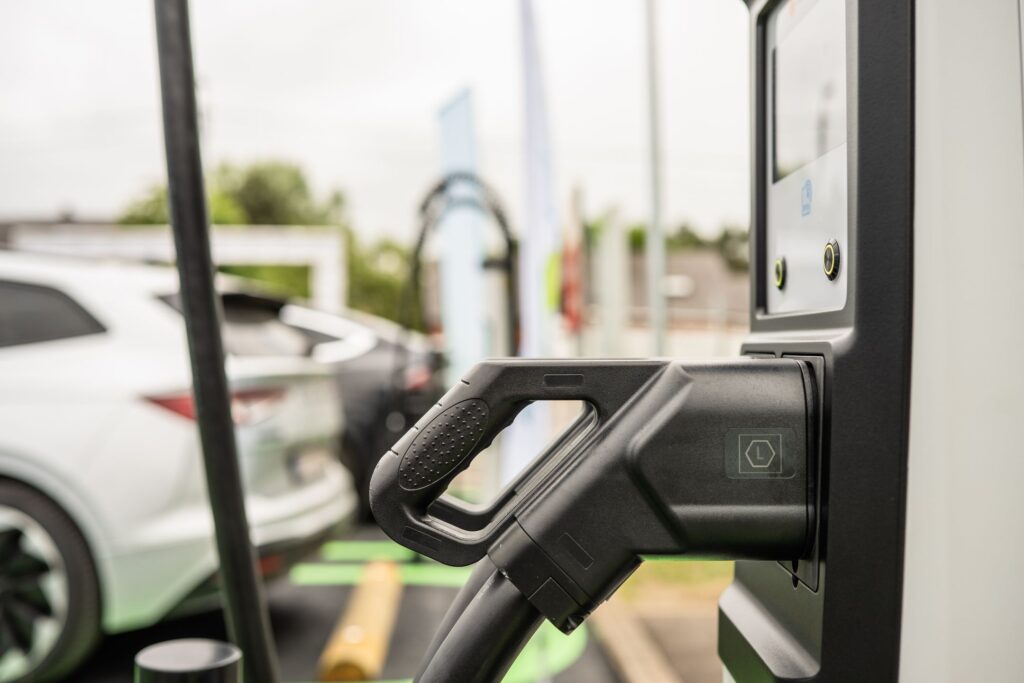
- Borne lente (7 kW) : ~8h pour une charge complète.
- Borne rapide (22 kW) : ~2h.
- Superchargeur (150 à 300 kW) : 20 à 30 min pour 80 %.
L’entretien est-il vraiment plus simple ?
Oui, et c’est l’un des plus gros atouts mécaniques du VE.
Pas de vidange, ni filtres, ni pièces d’usure classiques. Les véhicules électriques ont moins d’éléments en mouvement.
✅ En pratique :
- Coût d’entretien annuel réduit de 30 à 40 % par rapport à un thermique.
- Batterie garantie 8 ans ou 160 000 km en moyenne.
- Moins de pannes, mais pièces parfois plus chères à remplacer.
Est-ce que la voiture électrique est vraiment écologique ?
Oui sur l’ensemble du cycle de vie, mais avec des nuances.
- La fabrication, notamment des batteries, reste très énergivore.
- En revanche, à l’usage, les émissions sont nulles (CO2, NOx, particules).
- L’empreinte carbone d’un VE est compensée en moyenne en 30 000 km.
♻ Et le recyclage ?
- Des filières se structurent en Europe (Umicore, Renault Mobilize).
- Le taux de recyclage des batteries lithium-ion dépasse 70 % en 2025.
Le réseau de recharge est-il suffisant ?
Oui, dans la plupart des grandes agglomérations et sur les axes routiers.
- 2025 : + de 160 000 points de recharge en France, dont 20 % en charge rapide.
- Dream Energy participe activement à cet essor, avec un réseau national de stations ultra-rapides alimentées à l’énergie verte.
❌ Encore des inégalités territoriales :
- Zones rurales moins bien couvertes
- Dépendance aux applications de recharge (interopérabilité pas toujours fluide)
Conclusion : est-ce une bonne idée en 2025 ?
Pour une grande majorité d’usages, oui. La voiture électrique est à la fois plus confortable, plus économique et plus propre. Si vous avez un point de recharge personnel ou un accès régulier à une borne fiable, vous ferez des économies significatives tout en réduisant votre empreinte carbone.
Et avec des acteurs comme Dream Energy, qui proposent un modèle de recharge 100 % renouvelable, accessible et compétitif, le passage à l’électrique prend tout son sens.